Αθηναϊκό Πρακτορείο Ειδήσεων
Της Σμαρώς Αβραμίδου
Ζήτημα εθνικής αναγκαιότητας χαρακτηρίζει τον προσεισμικό έλεγχο των άνω των πεντακοσίων παλιότερων οδικών γεφυρών της Ελλάδας, ο καθηγητής του τμήματος Πολιτικών Μηχανικών του Αριστοτελείου Θεσσαλονίκης Ανδρέας Κάππος, ο οποίος ήταν ο επιστημονικός υπεύθυνος ερευνητικού προγράμματος της Γενικής Γραμματείας Έρευνας και Τεχνολογίας, για τη βελτίωση της σεισμικής συμπεριφοράς γεφυρών που κατασκευάζονται ή θα κατασκευασθούν στο μέλλον στον Ελλαδικό χώρο, καθώς και την αποτίμηση της πραγματικής σεισμικής συμπεριφοράς και τρωτότητας των υφισταμένων ελληνικών γεφυρών.
«Οι παλαιές γέφυρες είναι προφανώς μικρότερης σεισμικής επάρκειας απ’ ό,τι οι σύγχρονες, όπως άλλωστε τα παλιά (προ του 1985) κτίρια έχουν μικρότερη σεισμική ασφάλεια από τα μεταγενέστερα», εξηγεί στο ΑΠΕ-ΜΠΕ ο καθηγητής Κάππος, επισημαίνοντας ότι «η Πολιτεία θα πρέπει να μεριμνήσει για ένα πρόγραμμα τακτικού ελέγχου και συντήρησής τους».
Στο πλαίσιο του προγράμματος Αντισεισμικής Προστασίας Γεφυρών (ΑΣΠροΓε), που ολοκληρώθηκε πρόσφατα, η ομάδα του κ.Κάππου μελέτησε 11 γέφυρες- όλους τους αντιπροσωπευτικούς τύπους- της Εγνατίας Οδού και ανέπτυξε μία μεθοδολογία για τον προσεισμικό τους έλεγχο, μέσω κατάλληλων ερωτηματολογίων, τα οποία μπορούν να συμπληρωθούν σχετικά γρήγορα από διμελείς ομάδες μηχανικών, μετά από επιτόπου επίσκεψη και έλεγχο της γέφυρας.
«Το κόστος μιας τέτοιας διαδικασίας προσεισμικού ελέγχου και στις παλιές γέφυρες δεν είναι μεγάλο, απαιτείται όμως σχετική βούληση της Πολιτείας, που θα πρέπει να δώσει στο θέμα την προτεραιότητα που του αρμόζει», αναφέρει ο καθηγητής, επισημαίνοντας ότι «το κρίσιμο θέμα της αντισεισμικής ασφάλειας δεν θα πρέπει να το θυμόμαστε μόνο μετά από έναν καταστροφικό σεισμό».
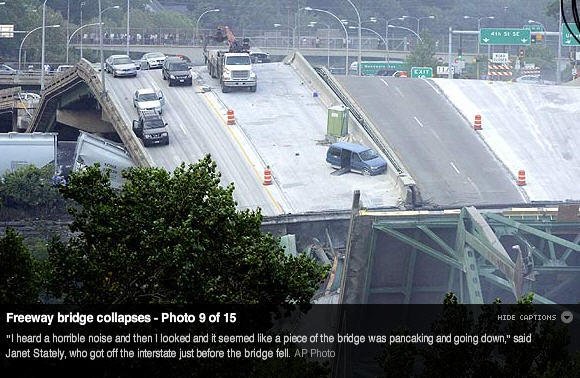
«Σήμερα είναι διεθνώς αποδεκτό ότι οι γέφυρες αποτελούν τον κρισιμότερο, από αντισεισμική άποψη, κρίκο στην αλυσίδα ενός οδικού δικτύου, ενώ αστοχία γεφυρών μπορεί να σημαίνει αδυναμία πρόσβασης προς την πληγείσα περιοχή ή και αδυναμία εκκένωσής της, εφόσον απαιτηθεί κάτι τέτοιο», αναφέρει ο καθηγητής Κάππος, παραπέμποντας στην εμπειρία από τις ζημιές (ακόμη και καταρρεύσεις) γεφυρών στο σεισμό του Los Angeles (Northridge) το 1994 και του Kobe στην Ιαπωνία το 1995.
Όσον αφορά στις περισσότερες από 1.000 καινούριες γέφυρες, τόσο στην Εγνατία Οδό, όσο και στον Οδικό Άξονα Πατρών- Αθήνας- Θεσσαλονίκης -Ευζώνων, ο καθηγητής είναι καθησυχαστικός.
«Βλέπουμε ότι και ο τρόπος που έχουν κατασκευαστεί και ο τρόπος που έχουν υπολογιστεί είναι τέτοιοι ώστε έχουμε μία αισιοδοξία πως δεν θα υπάρξουν προβλήματα», λέει, σημειώνοντας πως δεν είναι τυχαίο ότι στην Ελλάδα έχουν γίνει πάρα πολλοί σεισμοί τα τελευταία χρόνια και παρόλα αυτά, αν και υπήρξαν καταρρεύσεις κτιρίων, δεν υπήρξαν σοβαρές βλάβες σε γέφυρες.
«Στο σεισμό του 1999 που πήγαμε και είδαμε γέφυρες εκεί και στην περιοχή της Νέας Φιλαδέλφειας δεν είχαν κανένα πρόβλημα, ήταν σε πάρα πολύ καλή κατάσταση. Μιλάμε όμως για καινούριες γέφυρες, αυτές πάνω από τις οποίες περνάνε οι καινούριοι αυτοκινητόδρομοι», σημειώνει.
Πάντως, τα περισσότερα προβλήματα που εμφανίστηκαν σε παλιές γέφυρες σχετίζονταν με πλημμύρες, που είχαν ως αποτέλεσμα την υποσκαφή των θεμελίων καθώς το νερό «τρώει το χώμα κάτω από τις ακραίες στηρίξεις των γεφυρών και έχουμε αστοχίες». Στις καινούριες γέφυρες, διευκρινίζει ο καθηγητής, είναι διαφορετικός ο τρόπος που θεμελιώνονται τα ακρόβαθρά τους και πιστεύουμε ότι δεν θα έχουμε τέτοια προβλήματα.
Ειδικότερα για τις γέφυρες της Εγνατίας ο καθηγητής τονίζει ότι για να παρουσιάσουν σοβαρές βλάβες (τέτοιες που να οδηγήσουν σε κλείσιμό τους μέχρι να γίνουν οι απαραίτητες επισκευές) «ο σεισμός που θα τις πλήξει πρέπει να είναι τουλάχιστον διπλάσιος απ’ αυτόν για τον οποίον είχαν σχεδιαστεί, ενώ για να υπάρχει πιθανότητα κατάρρευσής τους η ένταση του σεισμού πρέπει να είναι τέτοια που δεν έχει ποτέ εμφανιστεί, ούτε αναμένεται να εμφανιστεί, στην Ελλάδα».
Μάλιστα, επισημαίνει ότι εάν μεθαύριο σε οποιοδήποτε σημείο της Εγνατίας Οδού, από την Ηγουμενίτσα έως τα τουρκικά σύνορα, γίνει ένας σεισμός «ξέρουμε και έχουμε τη δυνατότητα σε πολύ μικρό χρονικό διάστημα από το γραφείο ακόμα να έχουμε μία εικόνα τι θα γίνει στις γέφυρες». Αυτό καθίσταται δυνατό μέσω μίας ηλεκτρονικής βάσης δεδομένων που δημιουργήθηκε στο πλαίσιο του προγράμματος. Την ευθύνη της έχει σήμερα το Τμήμα Συντήρησης της Εγνατίας Οδού ΑΕ.
Επίσης, στο πλαίσιο του προγράμματος, δύο γέφυρες της Εγνατίας Οδού, μία χαραδρογέφυρα στην Καβάλα και μία στον Πολύμυλο, ενοργανώθηκαν με ειδικά κινητά δίκτυα επιταχυνσιογράφων. Στις διατάξεις αυτές, χρησιμοποιείται ένας μεγάλος αριθμός αισθητήρων (μέχρι 48 σε κάθε γέφυρα, με συνολικό μήκος καλωδίων σύνδεσης που φθάνει τα 3 χιλιόμετρα!) που καταγράφουν τις επιταχύνσεις σε διάφορα, κατάλληλα επιλεγμένα, σημεία της γέφυρας.
Όσον αφορά στο ζήτημα που είχε δημιουργηθεί σχετικά με τη διέλευση φορτηγών από γέφυρα της Εγνατίας στην Καστανιά ο κ.Κάππος διαβεβαιώνει ότι «τα καταστρώματα των γεφυρών υπολογίζονται για φορτία κυκλοφορίας 50% υψηλότερα από τις αναμενόμενες τιμές τους, κάτι το οποίο ουσιαστικά τις εξασφαλίζει έναντι υπερβάσεων που προκαλούνται από υπέρβαρα οχήματα».
Αναφερόμενος στην πρόκληση κατασκευής των χαραδρογεφυρών της Εγνατίας ο καθηγητής εξηγεί ότι για τη σεισμική τους μόνωση χρησιμοποιούνται ειδικοί τύποι εφεδράνων πάνω στους οποίους πατάει το κατάστρωμα της γέφυρας και έτσι σε ένα μεγάλο σεισμό «κουνιέται το κατάστρωμα της γέφυρας ανεξάρτητα από το υπόλοιπο κομμάτι».
Τα εφέδρανα είναι ειδικά ελαστομεταλλικά, δηλαδή από ελαστομερές (καουτσούκ) ενισχυμένο με φύλλα χάλυβα. Επίσης, για να μην είναι πάρα πολύ μεγάλη η μετακίνηση του καταστρώματος τοποθετούνται ειδικοί αποσβεστήρες, κάτι σαν τα αμορτισέρ των αυτοκινήτων, αλλά πολύ μεγαλύτερα σε μέγεθος. «Υπάρχουν τέτοιες γέφυρες στο Μεγαλόρεμα, έξω από το Μέτσοβο, η καινούρια γέφυρα του Αράχθου γίνεται με αυτόν τον τρόπο, στη σιδηροδρομική γέφυρα που γίνεται στο Πολύκαστρο χρησιμοποιούνται επίσης τέτοιοι υδραυλικοί αποσβεστήρες, με τους οποίους πιστεύουμε ότι επιτυγχάνεται μια καινούρια γενιά γεφυρών, αυτές οι οποίες μπορούν να έχουν ακόμη καλύτερη συμπεριφορά ακόμη και σε πολύ μεγάλο σεισμό», λέει.
Με την ολοκλήρωση και των τελευταίων γεφυρών της Εγνατίας Οδού ο αριθμός τους θα φθάσει τις 570 και το συνολικό τους μήκος τα 41,683 χιλιόμετρα.
Ερωτηθείς για το πρόβλημα με την αστοχία του καλωδίου στη γέφυρα του Ρίο ο κ.Κάππος διατυπώνει την εκτίμηση ότι οφείλεται σε ανεπαρκή αντικεραυνική προστασία του έργου και συγκεκριμένα «στην υιοθέτηση παλιότερων προδιαγραφών για την προστασία των καλωδίων από κεραυνό, οι οποίες έχουν ήδη βελτιωθεί σε πολλές χώρες». Πάντως, το θέμα σίγουρα δεν έχει να κάνει με τον αντισεισμικό σχεδιασμό της γέφυρας, ο οποίος έγινε με τις αυστηρότερες δυνατές προδιαγραφές, διευκρινίζει.
Στο πρόγραμμα Αντισεισμικής Προστασίας Γεφυρών (ΑΣΠροΓε), μετείχαν 14 συνολικά φορείς, δημόσιοι αλλά και ιδιωτικοί, ενώ ο προϋπολογισμός του έργου ήταν 2 εκατ. ευρώ. Ο καθηγητής εκφράζει την ικανοποίησή του για το γεγονός ότι κάποια από τα βασικά αποτελέσματα του προγράμματος έτυχαν ήδη πρακτικής εφαρμογής, τη στιγμή «που τα αποτελέσματα πολλών ερευνητικών προγραμμάτων έχουν μείνει στα συρτάρια των φορέων που τα χρηματοδότησαν (π.χ. ΓΓΕΤ, ΟΑΣΠ, Ευρωπαϊκή Ένωση), ή στην καλύτερη περίπτωση έμειναν στον στενό κύκλο της επιστημονικής κοινότητας». Μια κατεύθυνση προς την οποία το Τμήμα Πολιτικών Μηχανικών του ΑΠΘ θεωρεί ως ιδιαίτερα χρήσιμη την επέκταση της έρευνας που άρχισε με το ΑΣΠροΓε είναι να καλυφθούν όλοι οι τύποι γεφυρών ως προς τη μελέτη της σεισμικής συμπεριφοράς τους, να προσδιοριστούν δηλαδή για όλους τους τύπους οι λεγόμενες «καμπύλες σεισμικής τρωτότητας», οι οποίες περιγράφουν τη συμπεριφορά της γέφυρας για κάθε στάθμη σεισμικής έντασης.
http://www.ana-mpa.gr/anaweb/user/showplain?maindoc=6070232&maindocimg=5937807&service=93